
Best Things to Do in Joshua Tree for a Balanced Adventure + Wellness Trip
A guide to experiencing beyond just hiking—this post walks you through how to balance adventure with rest, from scenic trails and slow drives to wellness moments, local cafes, and thoughtful places to stay. Designed for travelers who want to explore deeply without leaving exhausted.
Charley Rose
4/28/20268 min read
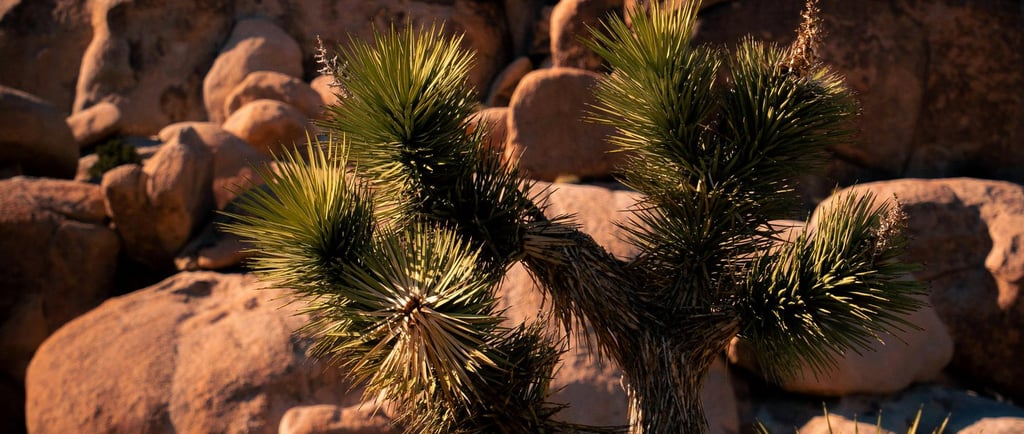
Joshua Tree has a way of slowing you down without asking permission.
The landscape is vast and quiet in a way that feels almost intentional—like the desert is inviting you to do less, see more, and actually feel your trip instead of rushing through it.
On my most recent visit, I kept thinking about how easy it is to experience Joshua Tree National Park as just a hiking destination. But when you approach it with a balance of adventure and restoration, it becomes something else entirely—a place where movement, stillness, and intention naturally coexist.
Here’s how I’d recommend spending time in Joshua Tree if you want both sides of the experience: the exploration and the exhale.
When to Visit Joshua Tree (And What to Expect from the Weather)
Joshua Tree is one of those places where the season you choose completely shapes the experience.
The desert can feel soft and expansive—or harsh and draining—depending on when you go. If your goal is to balance adventure with actual restoration, timing matters more than you might think.
Best Time to Visit: Spring and Fall
The most ideal months are typically March–May and October–November.
During these seasons, the weather sits in that sweet spot—warm enough to spend full days outside, but not so hot that it pulls you out of the experience. Mornings are cool, afternoons are comfortable, and evenings settle into that quiet desert stillness.
Spring also brings subtle wildflower blooms and a sense of the desert waking up, while fall feels calm, spacious, and less crowded.
Winter (A Slower, Cozy Desert Experience)
Winter is quite beautiful.
Days are cooler, sometimes even brisk, but that makes it perfect for longer hikes without overheating. Nights can get cold—often dropping into the 30s—so it’s a better fit if you’re staying somewhere comfortable or enjoy bundling up under the stars.
This is a quieter, more introspective version of the desert.
Summer (Best for Slow, Indoor-Outdoor Balance)
Summer is intense here. Daytime temperatures regularly climb above 100°F, which can make midday hiking feel more like survival than enjoyment.
If you do visit in summer, it shifts the rhythm of your trip:
Early mornings and sunset become your main windows for being outside
Midday is for rest—pool time, slow meals, or retreating indoors
It can still be a beautiful experience, but it requires a more intentional, slower approach.
A Quick Note on Desert Living
No matter the season, the desert has its own rules:
Hydration matters more than you expect
The sun feels stronger than the temperature suggests
Layers make a big difference, especially from day to night
When you plan with the environment instead of against it, Joshua Tree becomes a place that feels incredibly easy to settle into.
Exploring Joshua National Park
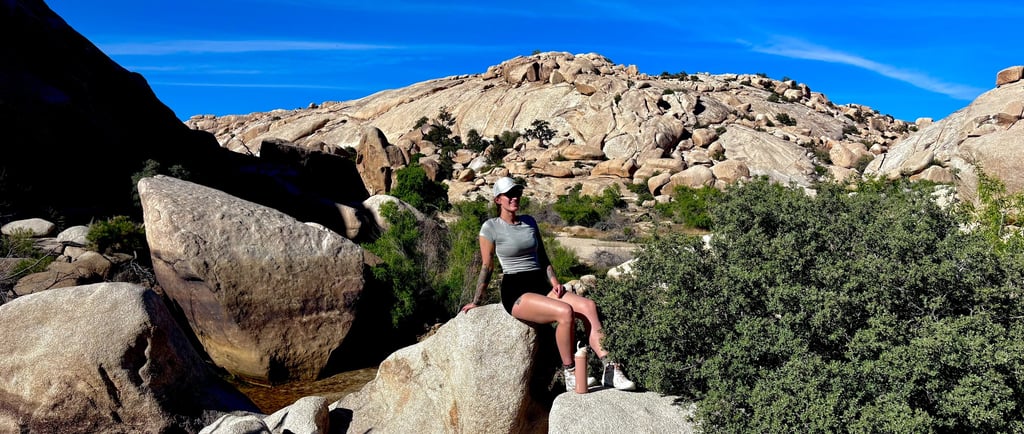
At the center of everything is where the desert landscape shifts constantly between open valleys, massive rock formations, and quiet trails that feel almost meditative. And, of course, the Joshua Trees!
You don’t need to rush here. The best approach is to pick a few hikes that match your energy level and let the rest of your time be slow drives, viewpoints, and pauses.
Short, easy hikes (30–60 minutes)
These are perfect for sunrise, sunset, or in-between rest days:
Hidden Valley Nature Trail (1 mile loop | ~45–60 min)
A sheltered, rock-walled valley that feels surprisingly private. Great intro hike and very manageable.Arch Rock Trail (1.2 miles round trip | ~45–60 min)
One of the most iconic formations in the park. The walk is easy, and the payoff is immediate.Skull Rock (short stop + optional loop)
More of a scenic stop than a hike, but worth slowing down for. It’s a pretty cool rock that you can see from the road. But, if you want to stop to really take it in and grab some photos, there is a parking lot right off the main road.Barker Dam Trail (1.3 miles loop | ~1 hour)
A mix of desert landscape, rock formations, and seasonal water. Calm and reflective. There was no water in the dam at the end of April. So, the actual damn was underwhelming. But the hike has a really beautiful array of Joshua Trees, and a short detour will bring you to some petroglyphs.Cholla Cactus Garden (short stop + optional loop)
This was officially closed when we visited in April, but it was still beautiful to drive through. You’ll catch it near the South entrance of the park—a spectacular variety of cacti as far as the eye can see. I would recommend stopping to take in the view, even for a few minutes, along the drive.
Moderate hikes (1–2.5 hours)
These give you more elevation and bigger views:
Ryan Mountain (3 miles round trip | ~1.5–2.5 hours)
This is the most challenging of the main hikes, but the 360° views at the top make it worth the climb.Lost Horse Mine Loop Trail (6.7 miles round trip | 5-6.5 hours): A longer, steady hike that takes you out into a quieter part of the park, ending at one of Joshua Tree’s most well-preserved historic sites. The terrain shifts as you go, and by the time you reach the old gold mine, it feels less like a destination and more like something you’ve gradually uncovered.
Maze Loop (7.2 miles round trip): This is the kind of trail you choose when you want space. It winds through intricate rock formations that feel almost disorienting in the best way, creating a more secluded, tucked-away experience compared to the park’s more popular routes.
The goal here isn’t to check off every trail—it’s to give yourself just enough structure to explore, and enough space to actually experience it.
If you’re staying a few days, plan one longer hike where you can really settle into the landscape. On another day, keep it lighter—drive through the park, stop when something catches your eye, and mix in a couple of shorter walks or viewpoints.
You don’t need to map out every stop in advance. Joshua Tree is better when you leave room for spontaneity.
And if you can, pack a simple lunch. Finding a quiet pull-off or rock formation to sit and eat is one of those small moments that ends up being your favorite part of the day.
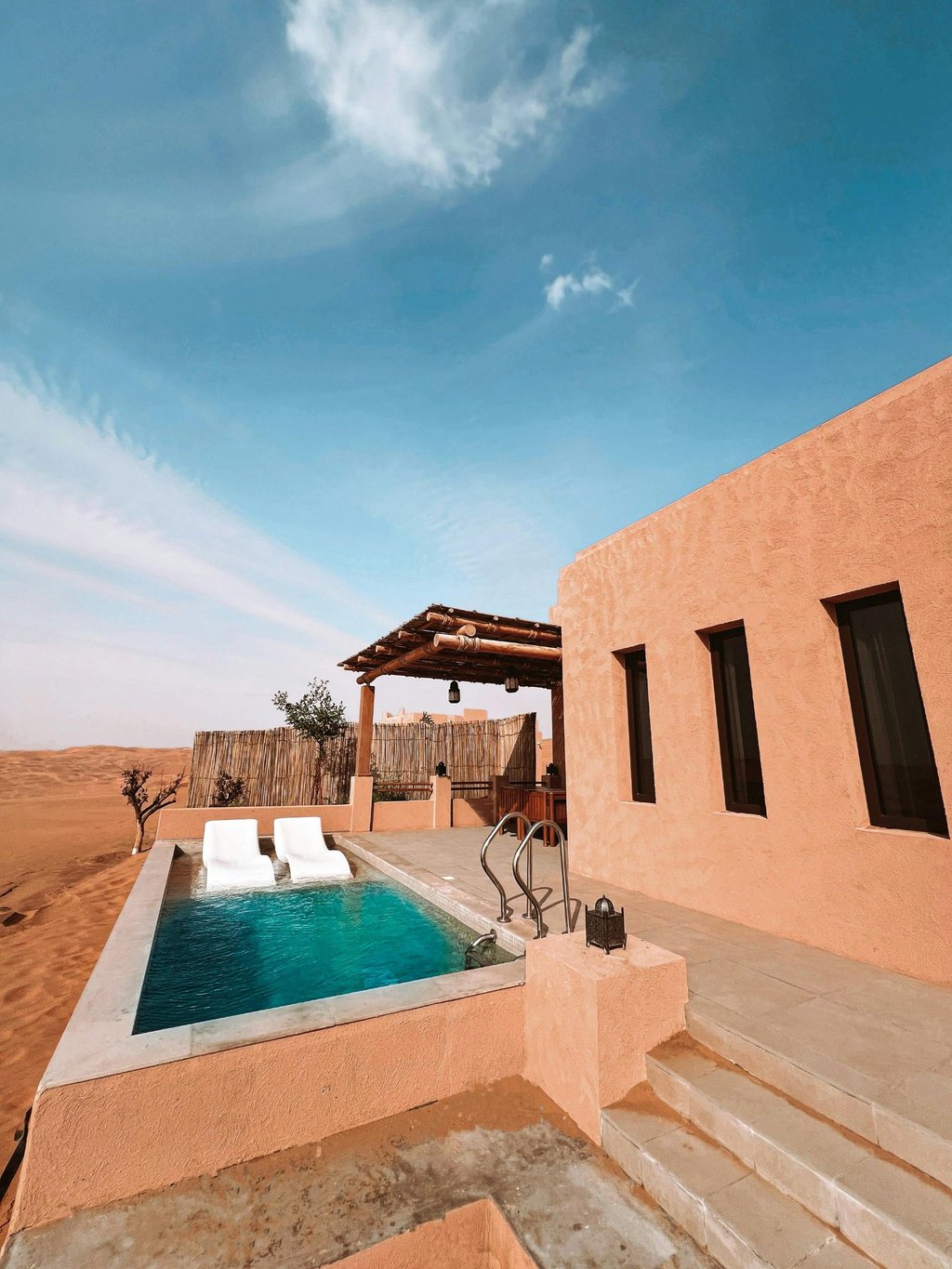
Where to Stay in Yucca Valley: From Camping to Design-Focused Stays
Where you stay in Joshua Tree completely shapes the tone of your trip. You can stay in Palm Desert and drive up through the south entrance. However, I highly recommend staying North of the park. Yucca Valley has some really special Airbnbs that feel like your own private, luxury oasis.
Camping
For a true desert experience, camping inside or near the park is the most immersive option. Nights are quiet in a way most people aren’t used to anymore—just wind, stars, and stillness.
It’s ideal if you want to fully disconnect and wake up inside the landscape itself.
Glamping
If you want nature without fully roughing it, glamping setups around Joshua Tree blend comfort with proximity to the desert. Think soft beds, outdoor showers, and stargazing without sacrificing sleep.
Airbnbs + Design Stays
Joshua Tree has some of the most intentional Airbnb design in California. Minimalist homes, glass walls, outdoor tubs, fire pits under open sky.
This is a good option if your version of wellness includes slow mornings, coffee outside, and quiet evenings in.
Hotels
There are also small boutique hotels and desert lodges in the surrounding area if you want a more traditional stay while still being close to the park. However, the hotels and motel in this area run quite high in price for minimal quality. For something upscale, stick to the Airbnbs.
Restaurants & Cafes
Food in Joshua Tree tends to lean simple, fresh, and unfussy—which fits the pace of the desert really well.
A few places worth slowing down for:
Grnd Squrl
A local favorite with a relaxed, slightly eclectic vibe. Good for a delicious burger and crisp, craft beer after a long day of exploring.
Frontier Cafe
Right in town and easy to build into your day between exploring. Healthy, casual breakfast and lunch options that don’t feel heavy—ideal for staying energized without slowing down your plans.
Don’t forget to grab some golden milk!
I grew up in California, and it’s one of the only places I’ve consistently been able to find a proper golden milk. Sitting down with one here while working felt like a small full-circle moment.
If you haven’t had it before, golden milk is typically made with turmeric, warm milk (or plant-based alternatives), and spices like cinnamon and ginger.
Turmeric is known for its anti-inflammatory properties and antioxidants, which can support digestion, recovery, and overall wellness—especially helpful when you’re hiking, moving around, and spending full days outside.
It’s one of those small additions that make your trip feel a little more intentional.
Browsing, Art, and Small Desert Town Energy
Part of Joshua Tree’s charm is that the town itself feels like an extension of the landscape—creative, slow, and slightly unexpected.
Art + Local Culture
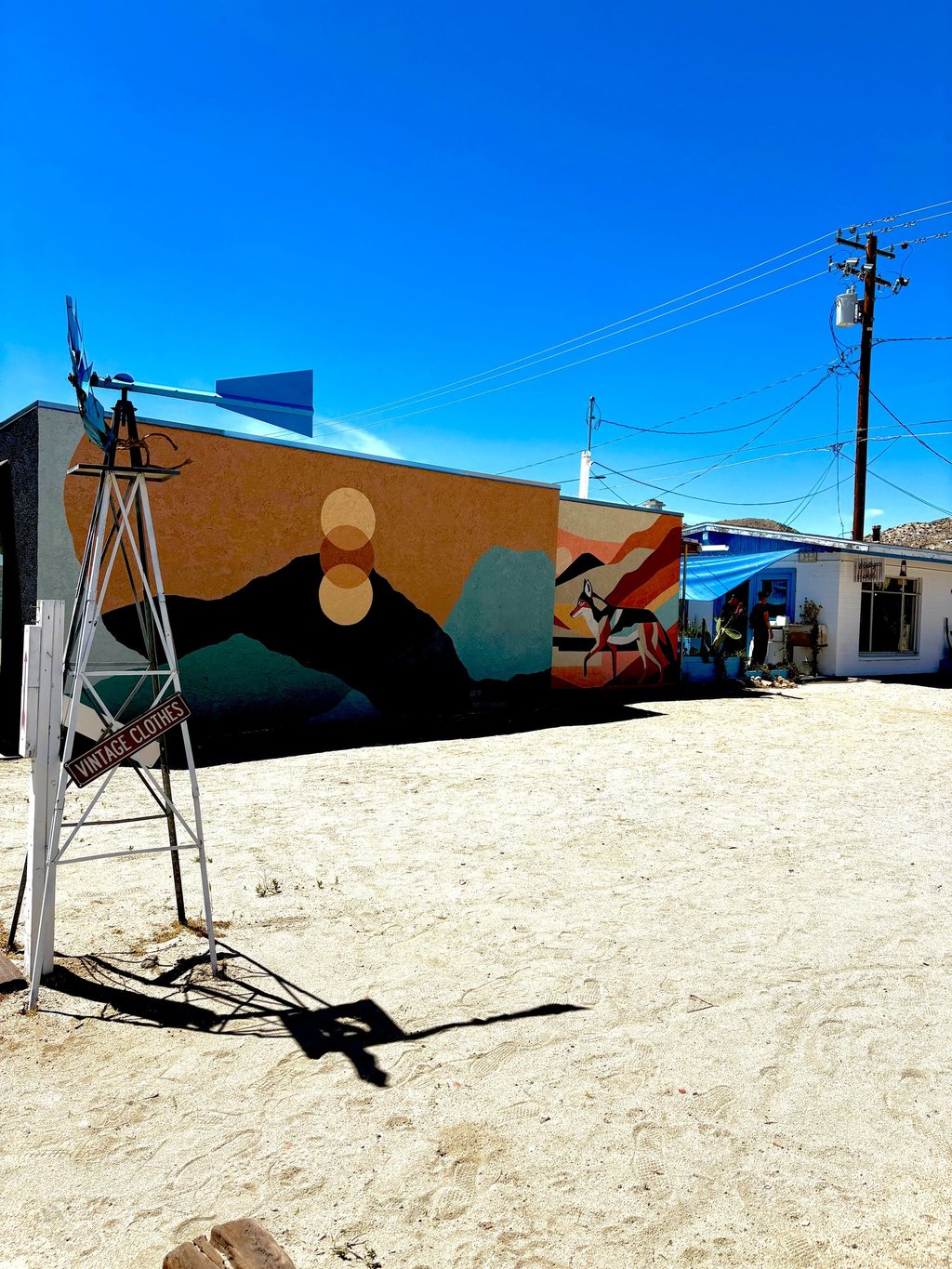
There are small galleries, installations, and rotating art spaces throughout town where you can step in and out as you explore. The creativity here feels very connected to the environment—earthy, textured, and handmade.
Boutiques & Vintage Shops
A lot of the best shopping is clustered in walkable pockets near town.
Some worth exploring:
The Hoof and the Horn
Desert Omen
The Desert Mystic Collective
Each of these has its own personality, but what stands out most is how personal they feel. You’re not just shopping—many of the pieces and cosmetics are handmade. You’ll find an array of specialty items made by local artists, so that you can bring a piece of Joshua Tree home.


Wellness & Recovery: Balancing the Adventure
Joshua Tree naturally lends itself to movement—but the real magic happens when you balance that with rest.
Yoga & Movement
There are small studios and pop-up classes in town, including spaces like Cedar & Sage Wellness Studio, where yoga and grounding practices are often tied into the desert environment itself.
A morning yoga session here hits differently—the light, the quiet, the open space all feel like part of the practice.
Massage & Body Recovery
After hiking or long days outside, massage and bodywork are one of the best ways to fully settle into the trip.
Joshua Tree has a handful of independent practitioners and small wellness spaces offering everything from deep, restorative bodywork to slower, more intentional treatments designed to help you fully unwind.
This is where the “wellness” part of the trip really becomes tangible, and you allow yourself to truly relax.
Bringing It All Together
Joshua Tree doesn’t need a packed itinerary to feel meaningful.
In fact, it’s better when you don’t try to do everything.
The most memorable version of this trip is usually the one where you:
Hike just enough to feel the landscape
Leave time to sit still in it
Eat well without rushing
Explore slowly instead of checking boxes
Add built-in recovery, not just activity
That balance is what transforms it from a simple desert trip into something restorative.
Stress-Free Planning With The Perfect 3-day Joshua Tree Itinerary
If you’re looking for a more structured version of this trip, I created a complete 3-Day Joshua Tree Itinerary designed to help you experience the desert without overpacking your schedule.
It includes a fully mapped-out daily plan, hiking recommendations, wellness stops, restaurant suggestions, and intentional pacing so you can spend less time planning and more time enjoying the experience.