
10 Adventure Travel Tips for Beginners (How to Plan Your First Trip)
Charley Rose
4/28/20266 min read
Planning your first adventure trip is a mix of excitement and uncertainty.
You start out thinking it’s about logistics—where to go, what to book, how to fit everything in. But once you’re actually out there, you realize something else entirely:
The way a trip feels matters just as much as what you do.
I didn’t understand that at first. When I started traveling full-time, I was living out of the back of my car—a 2006 Nissan Pathfinder—with a suitcase and my three-legged cat, Coyote. I was chasing freedom, new places, and anything that felt different from a conventional life.
But in those early days, I didn’t have a perfect system. I learned through experience—some good, some uncomfortable, and some that completely changed how I travel.
If you’re figuring out how to plan your first adventure trip, these are the things that actually matter.
1. Don’t Overplan Your First Trip
When you’re new to travel, it’s easy to think the goal is to get everything right.
So you plan everything. Every stop, every activity, every hour.
I’ve done this—and it never leads to the best experience.
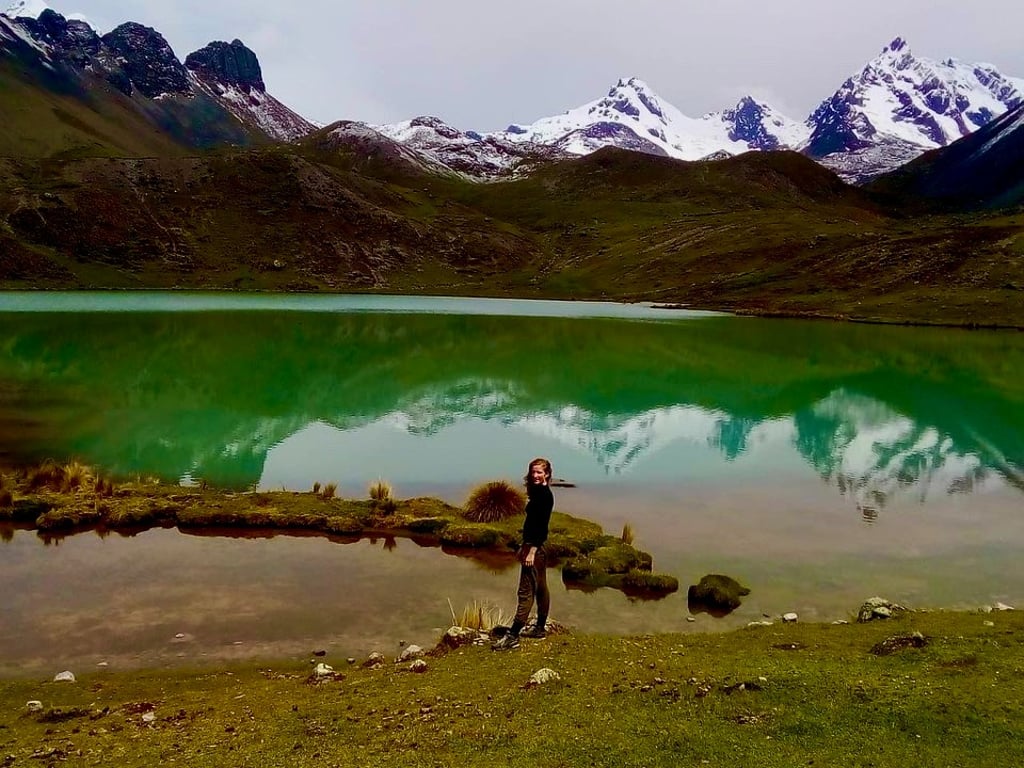
Some of the most memorable moments from my early travels weren’t planned at all. They happened in the space between things. A random lake I pulled over for. A quiet trail I didn’t expect to find. An entire afternoon that had no structure but somehow felt exactly right.
If you’re learning how to travel without feeling overwhelmed, this is where it starts.
Give your trip structure, but don’t control it.
Plan the activities that you are most excited for, and leave space for the rest of the trip to unfold.
2. Talk to Locals (Not Just Other Travelers)
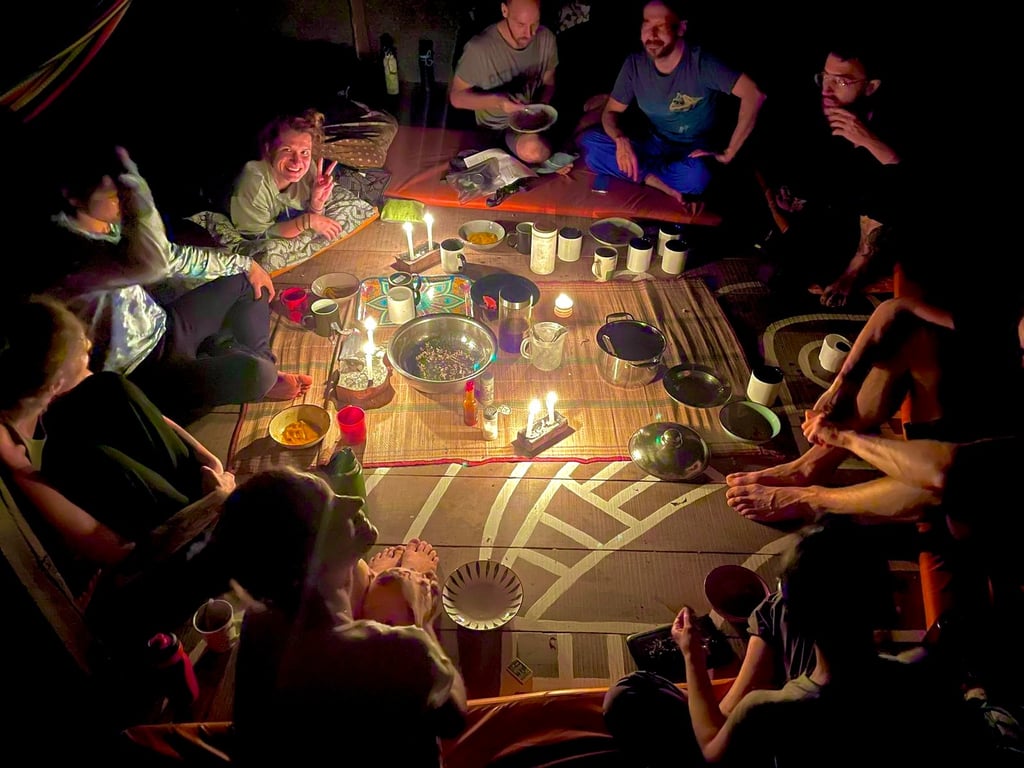
It’s easy to stay in a loop of other travelers—people who are having a similar experience to you.
But some of the most meaningful moments come from stepping outside of that.
When I was traveling through Peru, I spent a lot of time in small, quiet places—coffee shops, local stores, random stops that weren’t on any map. That’s where conversations happened naturally.
You start to see places differently when you hear about them from someone who actually lives there.
If you want to understand a place beyond the surface, don’t just observe it—engage with it.
That’s a big part of first-time adventure travel that people overlook.
3. Mix It Up
Travel is one of the few times when you’re not tied to your normal routines.
But a lot of people still default to what’s familiar.
I used to think I had a “type” of travel—certain environments, certain ways of moving through places. But over time, I realized the best experiences often came from doing something I didn’t initially plan for.
A different kind of landscape. A slower pace than I expected. A place I hadn’t researched much beforehand.
If you’re figuring out how to start adventure travel, don’t box yourself in too early.
Let yourself try things that don’t fully fit your expectations. You may just go home with a new interest, hobby, or favorite memory.
4. Challenge Yourself (Just Enough)
Adventure doesn’t have to mean extreme.
Sometimes it’s as simple as putting yourself in a situation that feels unfamiliar.
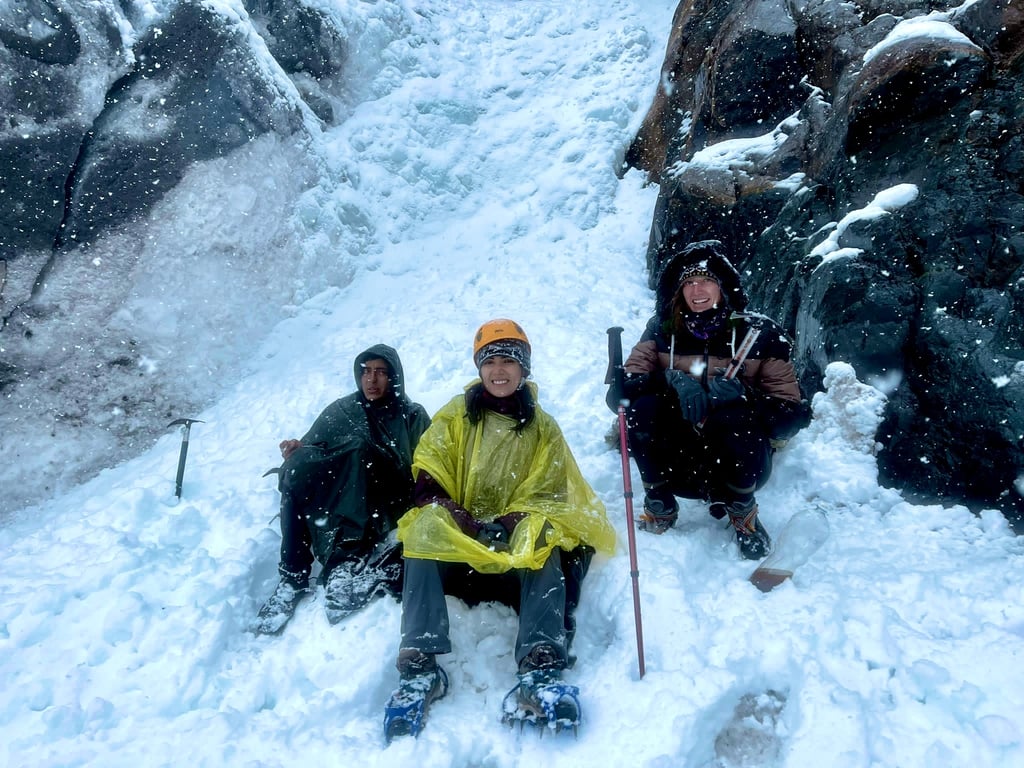
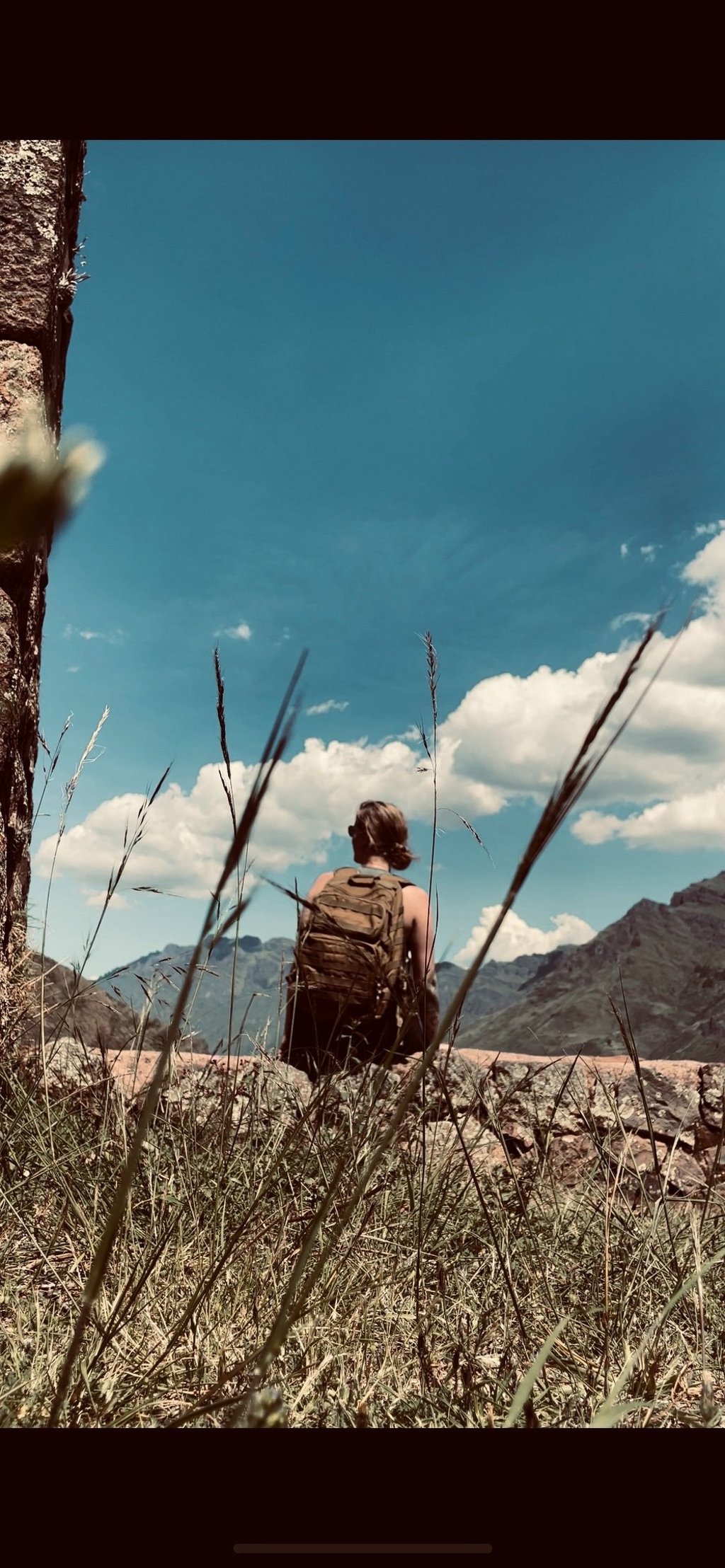
I remember being in Peru, spending time hiking in the Sacred Valley, surrounded by landscapes that felt almost surreal—massive mountains, quiet villages, and a completely different rhythm of life. Everything about it pushed me outside my comfort zone and challenged me to grow.
Those are the moments that stay with you.
You don’t need to force intensity. But you should allow yourself to experience something new.
5. Build in Time to Relax
This is where most people go wrong—especially in the beginning.
They plan the adventure, but forget the recovery.
When most people start traveling, they think they need to maximize everything. See more, do more, keep moving. But, it's important to realize that some of the most impactful moments weren’t the big experiences—they were the quiet ones.
Mornings with no plan. Sitting somewhere with a view and nowhere to be. Finding places like hot springs or quiet natural spaces where you can actually slow down.
One of my favorite ways to recover while traveling is a “romantic” spa day—with a friend. I first discovered this after hiking Machu Picchu, when a friend and I booked a massage in Cusco and were mistaken for a couple. It ended up being one of the best parts of the trip—massages, a rose-petaled bath with champagne, and a slow, relaxed lunch afterward. If you are traveling with a girlfriend, or meet one along the way, I highly recommend giving it a shot!
6. Protect the Essentials
There are only a few things that can genuinely disrupt your trip.
Your phone
Your passport
Your debit or credit card
Everything else is manageable.
When you’re moving between places, especially in unfamiliar environments, small habits make a big difference. Keeping things in the same place. Checking before you leave. Don't get careless when you’re tired.
It sounds simple, but it’s one of the most important travel tips for first-time travelers.
7. Try to Blend In (As Much As You Can)
You’ll always stand out a little—that’s part of traveling.
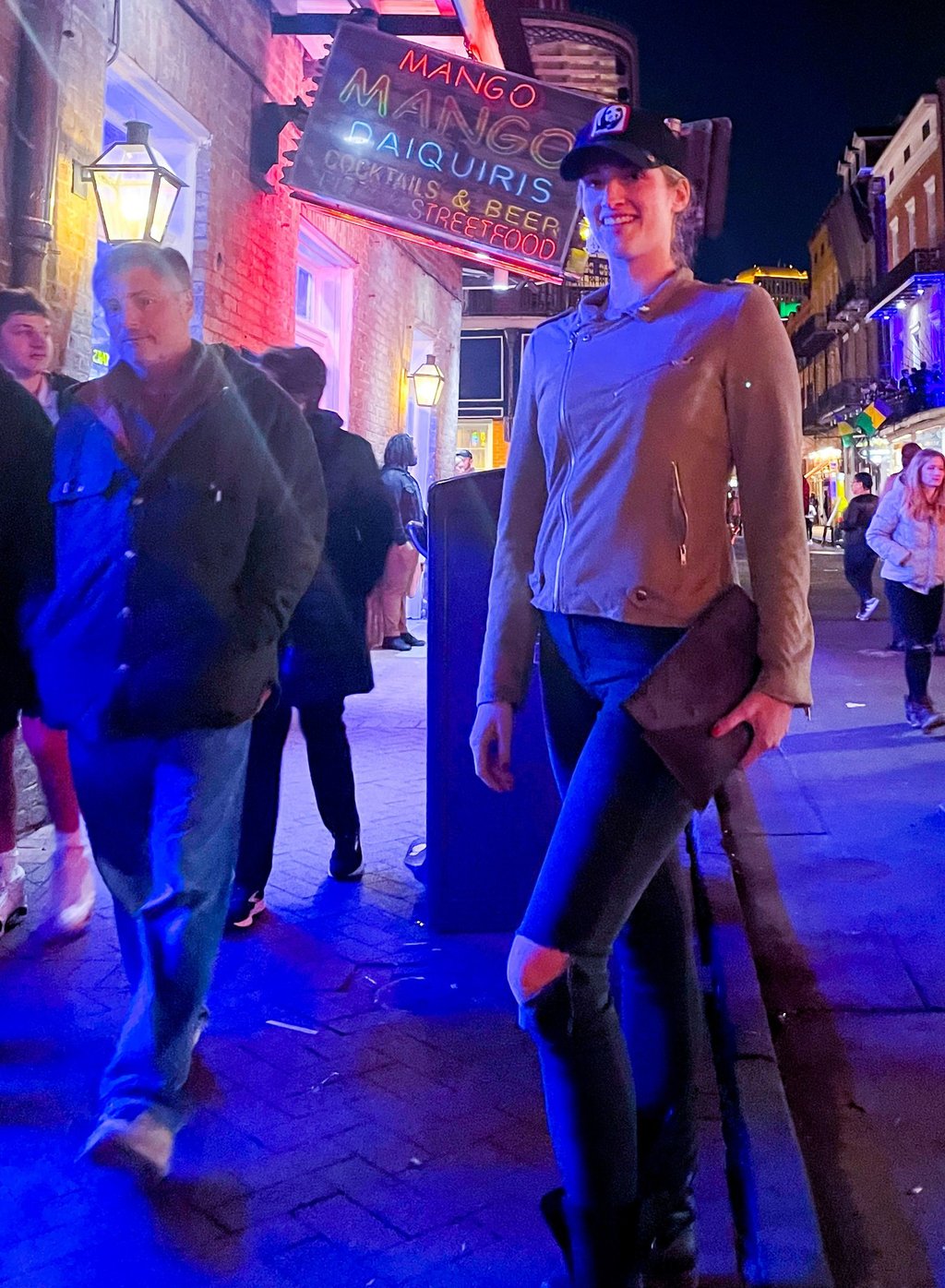
I’ve definitely experienced that. As a 5’10” blonde woman with tattoos, there are places where blending in isn’t exactly easy. But I’ve learned that even small adjustments change how you move through a place.
Being aware. Not being loud or disruptive. Paying attention before acting.
When you make an effort, people respond differently.
You’re more likely to have real interactions.
Less likely to be dismissed as just another tourist.
And overall, the experience feels more grounded.
8. Research Cultural Norms Before You Go
Every place has its own unspoken rules.
Things that feel normal to you might be completely different somewhere else.
When I started traveling internationally, this became much more apparent. The way people communicate, the expectations around behavior, even small things like how you greet someone or move through a space—it all matters.
A little research goes a long way.
It helps you:
Avoid unnecessary friction
Show respect
Feel more comfortable navigating a new environment
If you’re wondering what to know before your first trip, this is one of the simplest ways to improve your experience.
9. Something Will Go Wrong—Don’t Let It Define the Trip
No matter how well you plan, something will go wrong.
A delay. A missed turn. A plan that doesn’t work out how you expected.
This is just part of the experience. Try not to stress too much about the little things. Even the big issues you can run into while traveling aren't often as bad as they seem in the moment. And often, those moments lead to something unexpected—something you wouldn’t have planned.
The key is not letting one inconvenience shape your entire trip.
10. It’s Normal to Feel Nervous
Before you leave, it’s common to feel uncertain. You might question whether you planned enough. Whether you’re ready. Whether you’re making the right decisions.
I felt that too in the beginning. But once you’re actually in it—once you’ve taken the first step—you realize something important: It’s more manageable than it seems.
You adapt quickly. You figure things out. You become more confident with each experience.
That’s part of the process of learning how to plan your first trip.
Final Thoughts: A Better Way to Travel
If there’s one thing I’ve learned, it’s this:
The best trips aren’t the most packed or the most efficient.
They’re the ones that are designed with intention.
When you focus on:
Balance instead of intensity
Experience instead of perfection
How you feel, not just what you do
Travel becomes something different.
Something that doesn’t just take you somewhere new, but actually stays with you after you leave.
Want Help Planning Your First Adventure Trip?
If you want a trip that’s thoughtfully designed—without having to figure out every detail yourself—I create custom travel itineraries that combine adventure with intentional recovery.
So instead of guessing, you have a plan that’s already aligned with how you want to travel.