
A Balanced 3-Day Joshua Tree National Park Itinerary: Adventure + Wellness Without Burnout
Blog post description.
Charley Rose
5/12/20268 min read
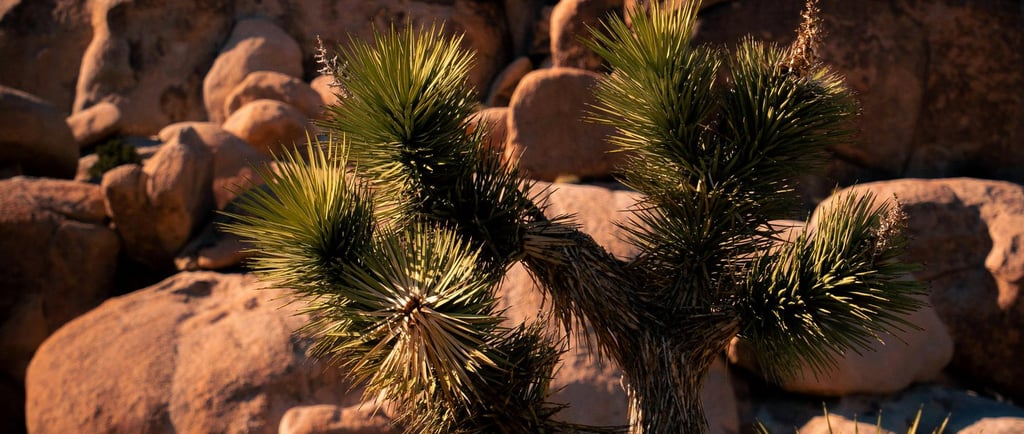
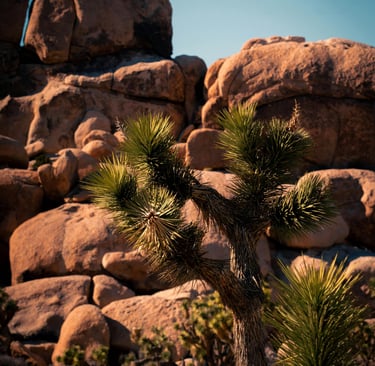
Joshua Tree has a way of slowing you down without asking permission.
The landscape is vast and quiet in a way that feels almost intentional—like the desert is gently inviting you to do less, notice more, and actually feel where you are. It’s not a destination that demands performance. It’s a place that rewards presence. There are so many unique stays, landscapes, and activities. The place is practically begging you to just relax and enjoy.
That distinction changes everything about how you experience it.
Most people arrive with a checklist mindset: hikes to complete, viewpoints to hit, photos to take. And while that approach can still be enjoyable, it often leads to a version of the trip that feels rushed, fragmented, and surprisingly exhausting. That is no way to travel, you should return home feeling refreshed and revitalized!
This itinerary is designed for exactly that.
Instead of maximizing what you can do in a short amount of time, it’s built around how you want to feel while you’re there—grounded, spacious, and fully present in the experience. You’ll still explore the iconic parts of the park, but you’ll also build in time to pause, reset, and actually absorb where you are.
If you’re looking for a Joshua Tree itinerary that blends adventure + wellness + intentional pacing, this is how I’d approach it.
The Best Joshua Tree Itinerary for Holistic Travelers
This Joshua Tree Guide is for travelers who want:
A mix of hiking and rest
Structure without rigidity
A trip that feels refreshing
Space to slow down instead of rushing between stops
It’s especially well-suited for long weekends, short resets, or any trip where you want to disconnect from routine and reconnect with something slower.
You don’t need to be an experienced hiker or minimalist traveler for this to work—you just need a willingness to move a little more intentionally than usual. Follow this Joshua Tree travel itinerary for a well-rounded and immersive experience that matches the magical nature of its surroundings.
Quick Overview: A Balanced 3-Day Joshua Tree Itinerary
Here’s the structure at a glance:
Day 1: Arrival + light exploration + sunset
Day 2: Main hike + scenic driving + flexible afternoon
Day 3: Slow morning + wellness + town exploration
If you prefer something fully structured—with exact timing, driving routes, how to avoid backtracking, and a version designed so you don’t have to think while you’re there—I created a pre-set 3-day itinerary for $9 that you can follow step-by-step.
When to Visit Joshua Tree (And How It Changes the Experience)
The season you choose to visit Joshua Tree will completely shape your experience here.
Spring + Fall (Ideal Conditions)
These are the most balanced months.
From March to May and October–November, the weather sits in a range that allows for full days outside without feeling exhausted from the heat. Mornings in Joshua Tree are cool and quiet, afternoons are warm but manageable, and evenings settle into a softness that feels almost cinematic.
Spring sometimes brings subtle desert blooms, while fall tends to feel more open and less crowded. When traveling to Joshua Tree, or for any desert adventure, keep in mind that the serene nature is often met with extremes. Winter and summer can bring with it cold nights and unbearably hot days. The best time to visit is usually those few months in between when the temperature is comfortably in the 70s.
Winter (Quiet + Reflective Energy)
Winter is slower and more introspective.
Temperatures drop significantly at night, but daytime hiking becomes very comfortable. This season often attracts travelers who want space, solitude, and a quieter version of the desert.
There’s something grounding about standing in a cold morning desert with the sun just beginning to rise—it feels stripped back in a way that’s hard to replicate elsewhere. If you choose to visit during this time of year, I recommend taking slow, cozy mornings and planning hikes in the afternoon when it is a bit warmer.
Winter is a wonderful opportunity to grab a cute Airbnb with a hot tub to enjoy with your friends, or someone romantic. The quiet, dark nights make it especially easy to settle into a slow pace and connect with the people around you in a meaningful way.
Summer (Intense but Possible)
Summer is the least forgiving season.
Temperatures often exceed 100°F, and midday hiking becomes unsafe or uncomfortable—especially if you usually enjoy longer hikes. It is still possible to have a wonderful trip if you visit during this time, but keep in mind that your rhythm should shift. This is your strategy for your Joshua Tree Summer itinerary:
Early morning activity only
Midday rest indoors or in shade
Evening and sunset exploration
When approached with this slower structure, summer can still be beautiful—but it requires intention. Might I also suggest—for those of you who dread getting out of bed early— make it a relaxing-by-the-pool kind of trip. Grab a few friends, an epic Joshua Tree Airbnb with a pool, and some fresh fruit to snack on by the water. See? With a little tweak, you can still enjoy this epic destination during its’ hotter months.
The Best Joshua Tree Itinerary
Day 1: Arrival + Ease Into the Desert
Your first day sets the tone for the entire trip. Don’t rush it.
Instead of trying to do too much, this is about arriving slowly and letting yourself adjust to the new environment. This is especially important if you are arriving from a different climate. The dryness and varying temperatures can make visiting Joshua Tree an intense change. Slowing down and tending to your needs as you adjust to the new environment can be the difference between feeling tired and enjoying your trip.
Afternoon: Gentle Introduction to the Park
After arriving and settling in, head into the park for a couple of easy, accessible stops:
Hidden Valley Nature Trail
Skull Rock
Barker Dam Trail
These are ideal first experiences because they give you immediate visual impact without physical strain. A short 1-mile hike is the perfect way to ease into the trip while enjoying some beautiful scenery.
Hidden Valley feels enclosed and quiet, almost like a natural amphitheater. Skull Rock is more playful and open, a quick but iconic stop that introduces you to the sculptural quality of the landscape. Barker Dam Trail has some beautiful Joshua Trees, but not a ton of water in the Dam. You can easily do all three stops in half a day without tiring yourself out.
Take your time here. Walk slowly. Sit when you feel like it. Let yourself adjust.
Sunset: Your First Real Pause
Sunset in Joshua Tree is not something to rush through.
The light changes gradually, washing the rocks in warm tones that shift minute by minute. It’s one of those experiences where the simplest thing—just sitting still—becomes the most meaningful part of the day.
Find a viewpoint, settle in, and let the desert work its magic.
Evening: Keep It Simple
After sunset, head back into town or return to your stay.
If you’re looking for something easy, healthy, and delicious, Grnd Sqrl has delicious burgers with house-made ingredients and the most delicious truffle fries!
End the night early if you can. The desert tends to reward rest more than stimulation. Unless, of course, you’re out for a summer girls' trip. In that case, lounge outside and enjoy some wine!
Day 2: Adventure + Exploration (The Core Day)
This is your most active day, but it still doesn’t need to feel rushed.
The goal is depth, not volume.
Morning: Choose One Main Hike
Instead of trying to do multiple long hikes, pick one that matches your energy level:
Ryan Mountain
A steady climb with one of the best panoramic views in the park.
Lost Horse Mine Loop
A longer, more immersive trail that feels quiet and expansive.
Maze Loop
A more remote-feeling hike with intricate rock formations and fewer crowds.
Each of these offers a different experience of the park. You don’t need to do all of them to enjoy it.
Midday: The Reset (Most Important Part of the Trip)
After your hike, the most important thing you can do is pause.
Leave the park and:
Eat something simple
Hydrate
Rest at your stay
This is where most itineraries fail—by stacking too many activities without recovery time. Another option is to go for a longer hike, pack a tasty lunch for the trail, and then take an easy afternoon and evening when you get back.
Afternoon: Scenic Driving + Optional Stops
Re-enter the park with no fixed agenda.
Possible stops:
Arch Rock
Barker Dam
Cholla Cactus Garden (if open)
Instead of trying to “complete” everything, think of this as a slow drive through shifting landscapes.
Stop when something feels worth pausing for. Not because it’s on a list. If you find something that catches your interest, go for it. That is what adventure is all about!
Sunset: A New Perspective
Choose a different area of the park than Day 1.
Even small shifts in location completely change how the light, space, and silence feel.
Day 3: Slow Morning + Wellness
Your final day is about relaxation—not activity.
Morning: No Rush
Sleep in. Move slowly.
This is the kind of morning where coffee becomes a ritual instead of a necessity.
A warm drink, a quiet seat outside, and a slow start set the tone for your final hours in the desert. If you head into town, Frontier Cafe has some delicious and nutritious breakfast options. And there are some adorable boutiques and vintage shops to check out right next door.
Wellness + Recovery
Joshua Tree naturally supports recovery, but adding intentional wellness helps complete the experience.
Options include:
Cedar and Sage Wellness Studio for yoga
Local massage or bodywork sessions
This is where your body finally catches up with the movement of the previous days.
Afternoon: Town + Creative Exploration
Spend your final hours moving slowly through town.
Joshua Tree has a creative energy that feels deeply connected to the landscape. Small shops, handmade goods, and vintage spaces reflect the same raw simplicity as the desert itself. There are also many unique art galleries and installations.
Browse without urgency. Let yourself wander.
Where to Stay in Joshua Tree
Your stay changes the emotional tone of your trip.
Camping
Immersive, quiet, and deeply connected to the landscape. If you are going to camp, you’ll either want to stay inside the park or on the north side in Yucca Valley.
Airbnbs
The most popular option, often designed with desert architecture in mind—glass walls, outdoor tubs, fire pits, and open views. Again, you’ll want to stay north of the park for the most unique and restorative stays. These are a few of my personal favorites.
Check out these amazing Joshua Tree Airbnbs!
Glamping
A middle ground between comfort and nature, ideal for travelers who want ease without losing the outdoor experience.
Hotel
If Luxury is more your style, there are some beautiful hotels and spas available close to the park. If you do want to stay in a hotel, I recommend staying in Palm Springs or Palm Desert. Yucca Valley has some incredible stays, but not much in the way of Hotels. Here are a few hotels that are close to the park entrance.
What to Pack for Joshua Tree
Packing here is less about quantity and more about intention.
Essentials:
Water (more than you expect)
Sun protection (hat, sunscreen, sunglasses)
Layers for temperature swings
Comfortable walking shoes
Light snacks
If you want a complete system that shows you exactly how to pack light for trips like this without forgetting anything, I created a Minimal Travel Packing Guide.
Why This Joshua Tree Itinerary Feels Different
Most travel guides focus on maximizing output.
This one focuses on balancing experience.
It works because:
You’re not overloading your schedule
You’re building in recovery time
You’re leaving space for spontaneity
You’re aligning your pace with the environment
That combination is what transforms a trip from something you “do” into something you actually experience.
Want This Fully Planned for You?
If you prefer not to think through timing, routing, or structure, I created a 3-Day Joshua Tree Itinerary for $9 that lays everything out step-by-step.
It includes:
A clear daily flow
Exact timing guidance
A balanced structure designed for
Free Trip Planning Resource
If you’re still planning your trip, I also created a free travel planning guide to help you map your destinations and structure your experience with more intention.
Final Thoughts
Joshua Tree doesn’t need to be optimized.
It doesn’t need to be rushed.
The most meaningful version of this trip usually comes down to a few simple things:
A couple of intentional hikes
Time spent sitting in stillness
Space between activities
And a willingness to slow down
That’s what stays with you long after you leave.
And that’s what brings people back again.